Dota 2 is among the games that contain the fewest competitive patches that might rearrange the whole meta by a single line of patch note. The smallest buff, a slight dampening of a hero or even a small adaptation of the map goals can quickly change the power of heroes, their itemization and drafting priorities of all ranks.
Understanding why this happens requires more than reading numerical changes — it requires seeing how tiny modifications ripple into lane outcomes, power spikes, teamfight execution, and ultimately, win rates.
This guide breaks down the actual mechanics behind meta shifts and explains why patches redefine hero power far more dramatically than they appear on paper.
Why Small Patch Notes Create Massive Meta Shifts
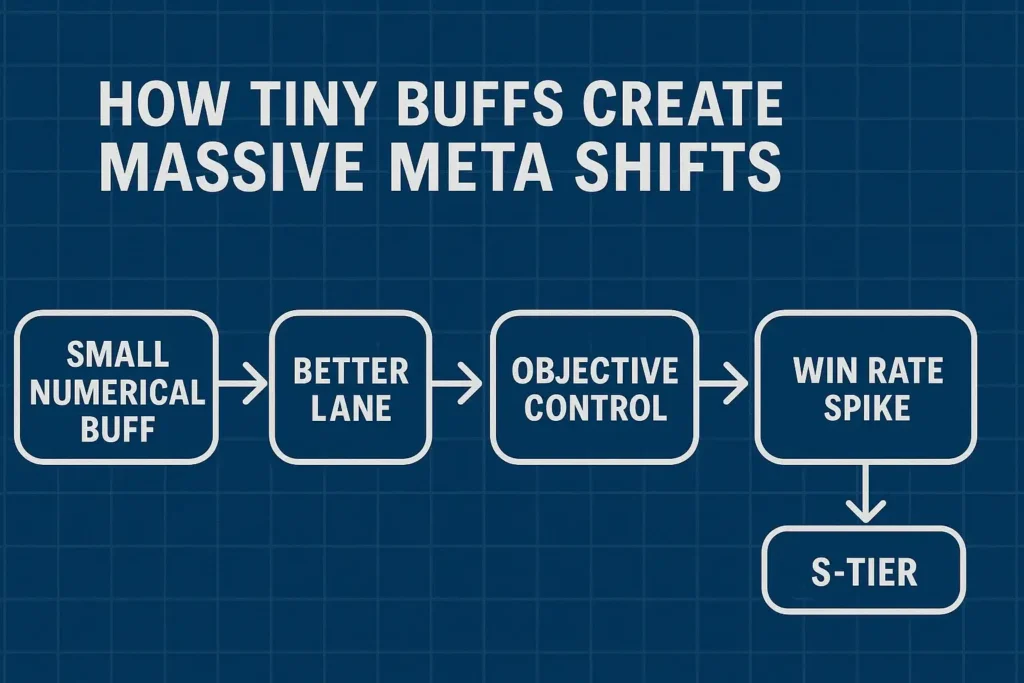
In Patch 7.39, Razor received a +5 base damage buff. This allowed him to secure creep last-hits more reliably, push lanes faster, reach Boots earlier, rotate sooner, and increased his win rate from ~49% to 53% within 48 hours.
Why Tiny Stat Buffs/Nerfs Shift S-Tier Heroes
A buff that improves a hero’s early-game reliability—such as better last-hitting or increased harassment capability—translates into:
- Faster boots or bottle timing
- Increased lane pressure
- More kill opportunities
- Earlier rotations
- Higher objective control
This cascade is often enough to elevate a hero into S-tier without changing abilities dramatically.
How Changes Alter Power Spikes & Farming Efficiency
Most patch-induced meta swings arise from changes that adjust timing windows, such as:
- Faster farm acceleration via damage buffs
- Safer laning via armor or HP regeneration
- Earlier access to strong items (Blink, Radiance, BKB)
- More efficient jungle transitions
Why Even a +5 Damage or -0.5 Cooldown Flip the Meta
These modifications reshape:
- Deny patterns
- Trading efficiency
- Lane equilibrium control
- Push potential
- Gank convertibility
A hero that previously struggled to secure lane control may suddenly dominate it.
The Core Mechanics Behind Meta Shifts (What Actually Changes the Game)
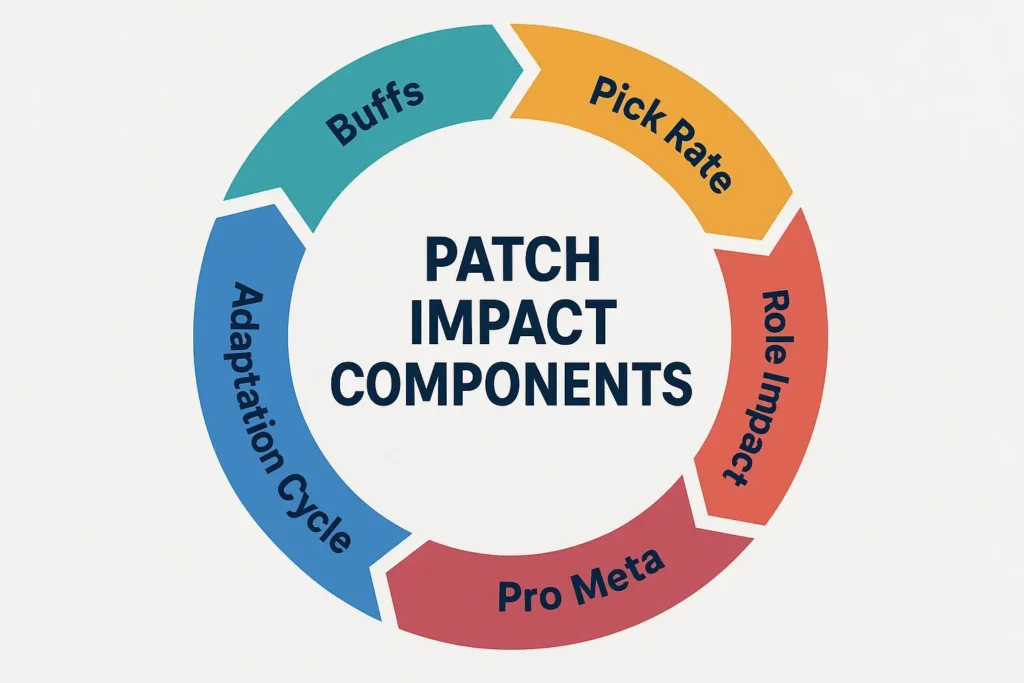
Patch notes reshape the competitive landscape because they interact with deep underlying mechanics. These mechanics determine how quickly heroes adapt, how reliable their power spikes become, and how effective they are in both pubs and professional play.
Patch / Balance Mechanics
Hero viability changes
Small buffs or nerfs reposition heroes relative to others in their role, sometimes reversing an entire matchup.
Buffs and nerfs
Buffed heroes immediately rise in pick rate as players experiment, often inflating early win-rate data.
Win rate volatility
Early patch cycles are extremely unstable. Heroes typically swing ±5–8% in win rate before stabilizing around day 5–7.
Pick rate changes
Bandwagon picks distort early meta data and temporarily elevate heroes with simple mechanics.
Role-based balance redistribution
Support buffs increase teamfight stability; offlane nerfs weaken initiation; carry nerfs slow scaling. Each affects draft priority.
Pro vs pub meta divergence
Professional heroes may require coordination that pubs cannot replicate, leading to mismatched win rates.
Competitive adaptation speed
Tier 1 teams often redefine meta within 48 hours, influencing drafting trends globally.
Hero Power Theory — How Patches Directly Change Hero Strength
This is where surface-level patch notes give way to deeper game mechanics. Hero strength in Dota 2 is not static—it is shaped by attributes, cooldowns, scaling potential, synergy, and internal power spikes.
Attribute Redistribution & Scaling Changes
Changes to base stats or growth patterns alter:
- Universal hero scaling
- Early-game pressure viability
- Late-game carry reliability
- Lane dominance thresholds
- Teamfight vs skirmish profile
A hero gaining +0.4 AGI per level becomes substantially stronger in prolonged engagements and item scaling.
Ability Reworks & Micro-Adjustments
Cooldown tweaks
A -1s cooldown may convert a spell from “rarely available” to “always available during trades.”
Mana cost changes
Cheaper spells increase lane harassment and farming rotations.
Damage variance
Raising minimum damage can make a hero far more reliable in securing kills.
Disable duration changes
Longer stuns/roots/silences escalate team coordination value dramatically.
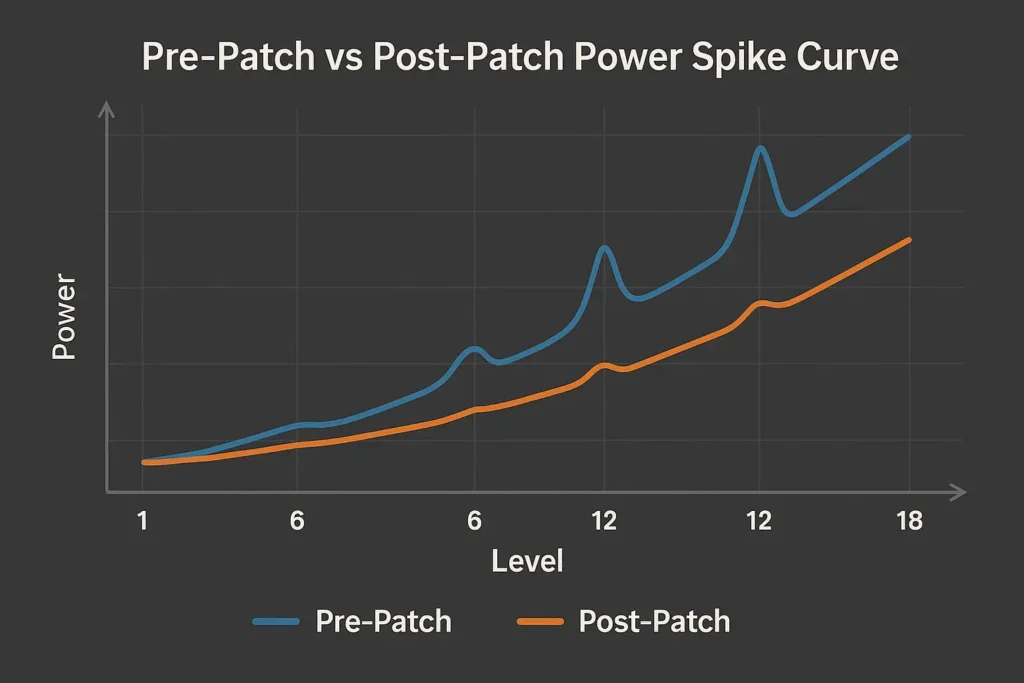
How Power Spikes Are Altered by Patches
Heroes spike at predictable thresholds:
- Level 6 (ultimate unlock)
- Level 12 (double ultimate scaling)
- Level 18 (final scaling spike)
Patches that affect XP flow, jungle efficiency, or laning pressure can shift these spikes forward or backward by minutes
Item System Changes and Their Ripple Effects Across the Meta
Items remain the strongest indirect balance lever in Dota 2. Adjustments to items often redefine entire archetypes.
Item Reworks & Build-Path Adjustments
Item changes impact:
- Which heroes spike earlier
- Farming patterns
- Kill potential in lanes
- Late-game transition timing
Example: A buff to Maelstrom directly elevates farming carries; a nerf to Blink slows initiator tempo.
Neutral Item Crafting + Madstone System
Neutral item crafting introduces meaningful decision-making:
- Farming heroes benefit from early Madstone accumulation
- Fighting heroes delay crafting but gain power later
- Supports gain access to customizable utility pathways
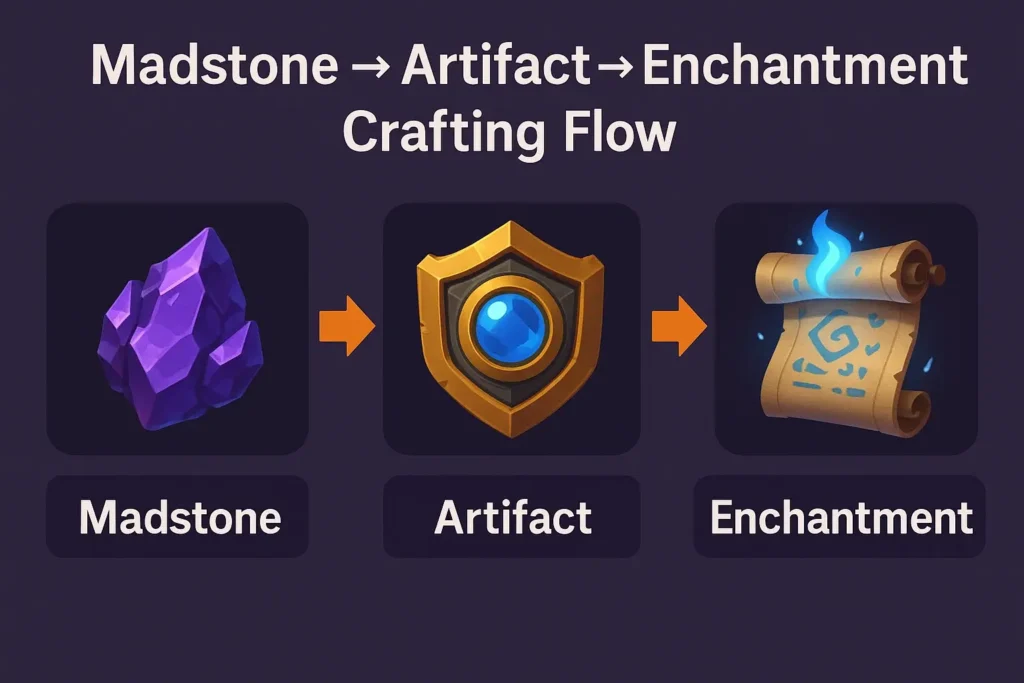
Key Item Entities to Monitor
- Gleipnir: crowd-control amplification
- Bloodthorn damage conversion: critical burst spike
- BKB rework: shifts tempo-based drafts
- Artifacts & Enchantments: influence utility value
Map & Objective Changes That Redefine Hero Power
The map is a silent balance factor. Objective changes reshape rotations, farming efficiency, and drafting patterns.
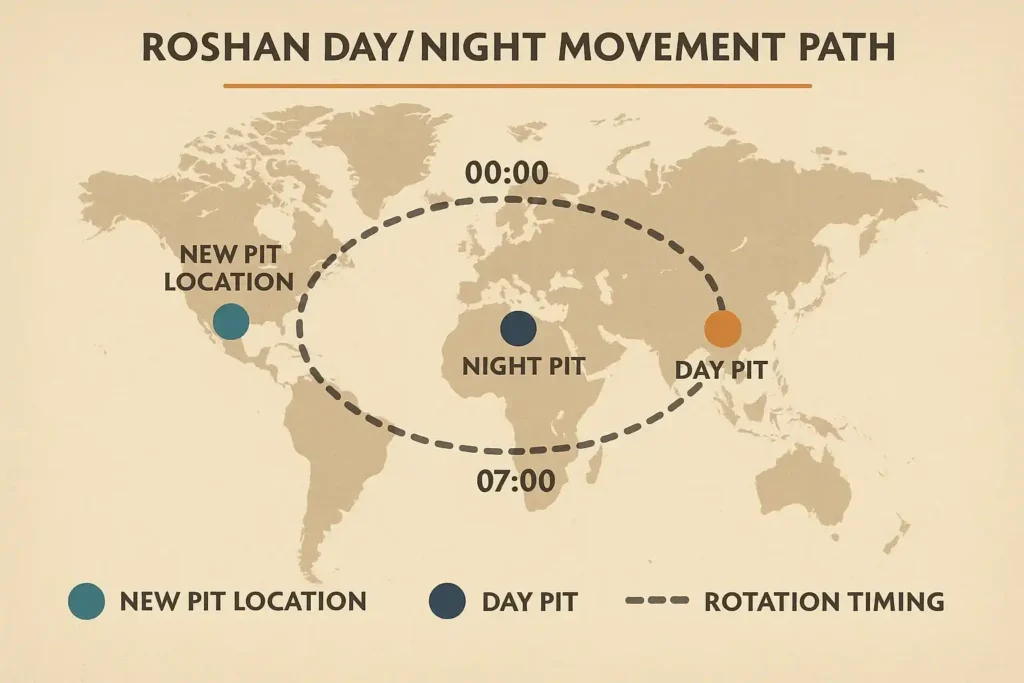
Roshan Relocation & Timing Windows
Roshan shifting pits introduces:
- New rotation strategies
- Day/night timing exploitation
- Stronger emphasis on mobility lineups
Tormentors and New Objective Pressure
Tormentors add scaling pressure to supports, rewarding teams with strong objective play.
Lotus Pools, Watchers & Vision Systems
Vision reworks increase the value of mobility heroes who capitalize on fog-of-war inconsistencies.
Neutral Creep Scaling & Farming Routes
Creep scaling affects triangle control, carry timing windows, and early jungle transitions.
Gameplay System Changes That Drive Meta Evolution (Deep Mechanical Layer)
These systemic elements are the true drivers behind meta shifts
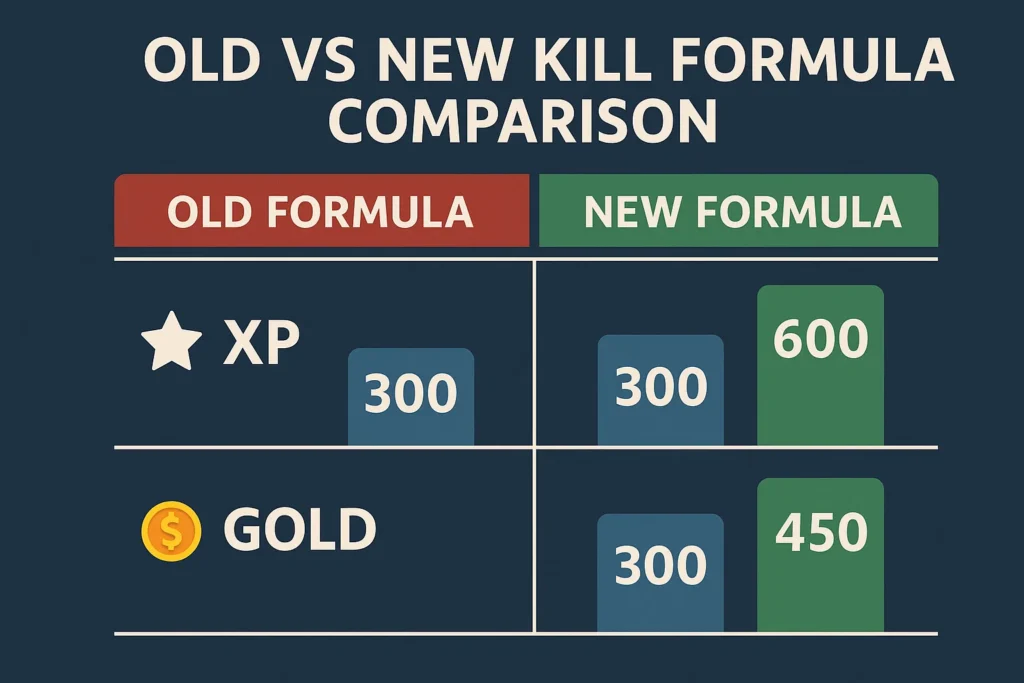
Kill Formula Rework
Changes to XP/gold distribution affect:
- Comeback potential
- Snowball reliability
- High-mobility hero dominance
Disable Duration Adjustments
Stun, root, silence changes affect teamfight execution and pickoff drafts.
Economy & XP Distribution Changes
- Offlane becomes more self-sufficient
- Safe lane experiences increased volatility
- Jungle transitions vary dramatically
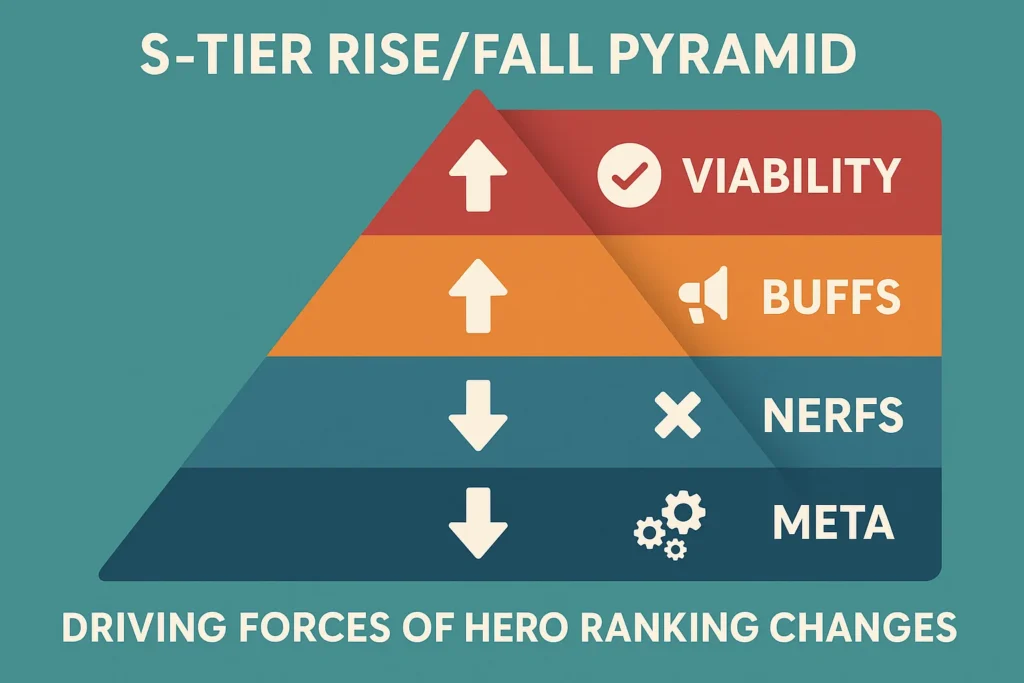
How Patches Affect Hero Rankings
Use anchor text: how patches affect hero rankings
Link to your pillar.
Why Certain Heroes Suddenly Become S-Tier
- Their item timings accelerate
- Synergy with new items increases
- Map geometry advantages emerge
- XP/gold redistribution favors them
Why Some Heroes Drop in Win Rate
- Early pressure removed
- Nerfed abilities weaken trades
- Patch-adjusted items no longer synergize
- Map disadvantages hinder execution
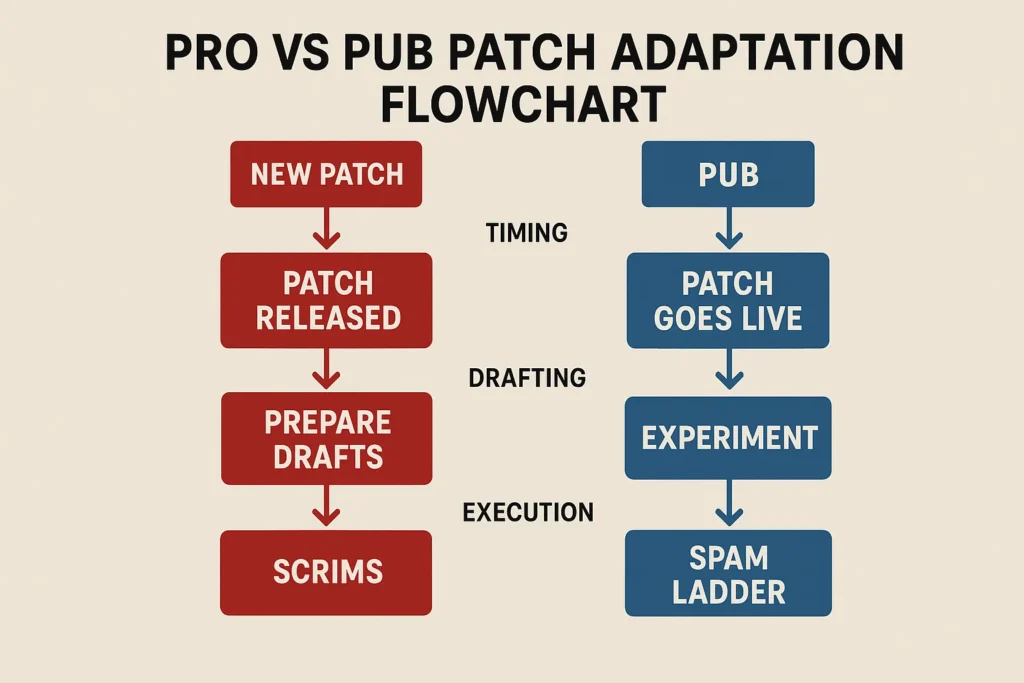
Pro vs Pub Meta — Why They React Differently to Patches
Draft Priorities in Competitive Play
Professional teams rely on:
- Scrim data
- Replay analytics
- Synergy-based drafting
- Flex-role exploitation
Adaptation Speed Differences
Tier 1 teams stabilize the meta within days, while pubs often take weeks.
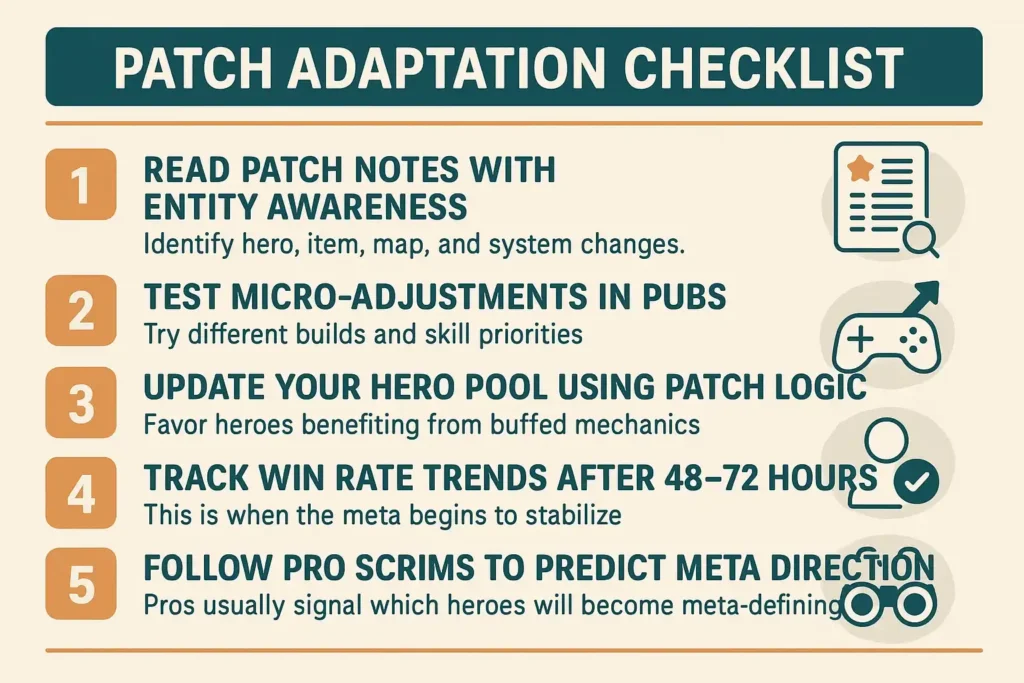
How Players Should Adapt to New Patches (Actionable Guide)
Quick FAQ
Why do patch notes drastically change hero rankings?
Because small numerical changes alter timing windows, farming patterns, and teamfight reliability.
How long does it take for a new meta to stabilize?
Between 48 hours and 7 days depending on documentation clarity and professional adaptation.
Which patch changes affect the meta most?
XP flow, item reworks, objective changes, and systemic gameplay updates.
What makes a hero suddenly S-tier after a patch?
Improved power spikes, synergistic item changes, or map advantages.
Final Thoughts — Patches Are the Engine of Dota’s Meta Evolution
Every Dota 2 patch is a recalibration of the game’s internal systems. Small changes cascade into large outcomes, influencing role distribution, draft theory, hero viability, and itemization pathways.
Understanding patch logic makes you a stronger player—because patches don’t just update the game; they redefine what power means inside it.