So you just lost a match, played well, and somehow lost MORE RR than you gained last game. Confusing, right? Yeah. Valorant’s ranking system has a lot going on under the hood — and in 2026, Riot actually made some big changes to how RR and MMR work that you genuinely need to know about.

This guide breaks everything down. Every rank, how points work, what changed this season, and how to actually climb without losing your mind.
Why grind for weeks when you don’t have to? Our Valorant Boosting service — real pros, real results, real fast. Your dream rank is one click away.
Related Guides:
- How to Climb Ranked in Valorant – From Iron to Radiant
- 10 Tips to Get Better at Aiming in Valorant
- Valorant Season 2026 Act 3 – Skirmish Ascension Ranked Mode
All Valorant Ranks in 2026
Valorant has nine ranks, each split into three divisions (1, 2, 3) — except Radiant, which has no divisions. It’s one single top rank. Here they are from bottom to top:
- Iron
- Bronze
- Silver
- Gold
- Platinum
- Diamond
- Ascendant
- Immortal
- Radiant
Before you even touch ranked mode, you need to hit Account Level 20. After that, you play 5 placement matches and the game drops you into whichever rank matches your performance. Win a lot, get placed higher. Simple concept, annoying execution sometimes.


One thing worth knowing — new accounts are capped at Ascendant 3 on their first season, no matter how well they play. So if you’re a smurf trying to get placed at Immortal on a fresh account, Riot has already thought of you.
What Changed in 2026 — The Big Ranked Updates
Riot dropped a major dev update going into Act 3 of Season 2026, and it directly affects how your RR moves after every match. Here’s what’s actually different:
Individual performance now matters more. The January 2026 MMR update made matches less one-sided by rewarding standout personal performances more heavily than before.
RR gains and losses feel more balanced. One of the biggest community complaints was that losses felt heavier than wins. Riot specifically addressed this — strong performances now earn more RR, and weaker ones cost more. Over time your wins and losses should balance out appropriately.
Rank consistency is a priority. Riot’s Design Director Max Grossman stated clearly: “Your rank should reflect your real skill level.” The system is being refined every act to get closer to that goal.
Another major dev update is planned for early September 2026, closer to the Valorant Champions event. More changes are coming before the year ends.
RR and MMR — What’s the Difference?
This is the part that trips everyone up. There are actually two systems running at the same time, and they don’t always agree with each other.
RR — Rank Rating
RR is the visible number you see after every match. Gain enough and you rank up. Lose too much and you rank down. It’s transparent, updates after every game, and is what most people think of when they talk about their rank.
Four things determine how much RR you gain or lose each game:
- Win or loss — the biggest factor by far
- Round difference — winning 13-4 gives more RR than winning 13-11
- Performance bonus — your personal stats matter, especially post-2026 updates
- Convergence — a hidden multiplier that pushes your rank toward your MMR over time
MMR — Matchmaking Rating
MMR is hidden. You can’t see it anywhere in the game. It’s Riot’s internal score for your actual skill level, built from every ranked match you’ve ever played.
Here’s the key thing about MMR — it never fully resets. Even when a new act starts and your visible rank badge disappears, your MMR carries over with a slight downward adjustment. This is why your placement results feel predetermined sometimes. Because they kind of are.
- If your MMR is higher than your visible rank — you gain more RR for wins and lose less for losses. The game is pulling you up.
- If your MMR is lower than your visible rank — you gain less for wins and lose more for losses. The game is pulling you back down.

Valorant Rank Distribution in 2026 — Where Do You Actually Stand?
Here’s where players sit across all ranks as of May 2026, Act 3. Gold is officially the single most populated rank right now.
| Rank | Approximate % of Players |
|---|---|
| Iron | ~5% |
| Bronze | ~12% |
| Silver | ~22% |
| Gold | ~23% |
| Platinum | ~16% |
| Diamond | ~11% |
| Ascendant | ~7% |
| Immortal | ~3% |
| Radiant | Top 500 per region |
Gold and Silver together make up almost half the entire player base. Diamond 1 puts you in roughly the top 17% of all players. Ascendant and above? You’re in the top 10%. Radiant is just the top 500 in your region. Criminally small.
Act Rank vs Current Rank — What’s the Difference?
People confuse these two all the time. Here’s the simple version.
Your current rank is where you are right now based on your RR. It changes after every match.
Your act rank is a record of your entire act. Every win adds a polygon to a triangle shape, and the color reflects the rank you won in. The highest rank win sits at the very top. It’s basically a badge showing the best you performed during the act — not just where you ended up.
Act rank doesn’t affect matchmaking at all. It’s purely cosmetic bragging rights. But it does look cool.
Rank Resets in 2026 — How They Actually Work
Every act, your visible rank badge disappears. People call this a “rank reset” but that’s not really accurate. Your MMR does NOT fully reset — it carries over with a small downward adjustment.
What actually happens:
- Your badge hides until you complete placement matches
- Your MMR from the previous act stays mostly intact
- You play 5 placements at the start of a new season, or 1 match when a new act starts within the same season
- Winning placements with good stats pushes you slightly higher than MMR alone would place you
A new feature called Rank Shield protects you from losing RR for your first 2 losses after a reset. A nice safety net while you’re finding your feet again.
The Leaderboard — What It Actually Means
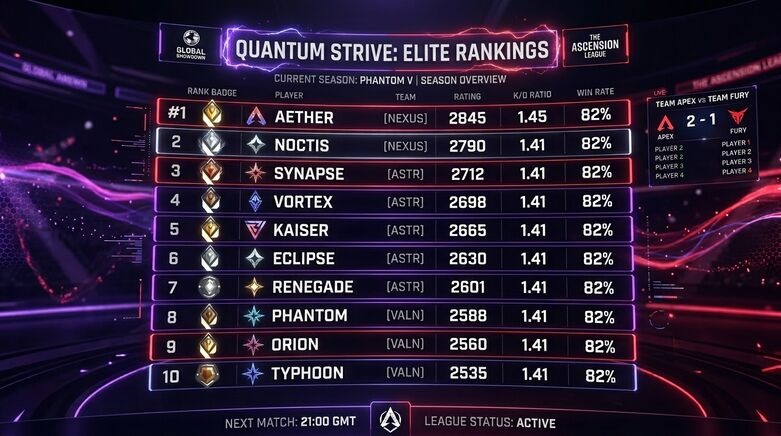
Valorant’s leaderboard is a region-locked list of the top 500 players ranked by RR points. To appear on it you need at least 50 ranked matches in the current act and at least 1 match per week.
It updates every single day. Which means you can fall off it just as fast as you climbed onto it.
Worth noting — the leaderboard doesn’t necessarily represent the 500 best players in your region. Most pro players don’t grind ranked matchmaking heavily. It’s more of a “who has the most RR right now” list than a definitive ranking of skill.
How to Actually Climb in 2026
Warm Up Before You Queue
Seriously. Even 15 minutes of aim training before ranked makes a noticeable difference. Try this routine:
- Kill 150–200 bots in the shooting range
- Play 2–3 deathmatch games
- Do 1 spike rush
Your aim, reactions, and movement all feel sharper when you’re properly warmed up. It’s the easiest free gain in ranked.
Pick 2–3 Agents and Actually Learn Them
Valorant isn’t just about aim. Abilities matter a lot. Trying to learn five different agents while climbing is a fast track to confusing yourself. Pick one per role, master them, and save the experimenting for unrated.
- Duelist: Reyna — mechanical, straightforward, forgiving
- Controller: Omen — flexible smokes, easy to learn
- Sentinel: Sage — healing, wall utility, beginner-friendly
Play With Teammates You Trust
Solo queue in higher ranks is genuinely painful. If you’re in Gold or above, find at least one or two regular teammates. Communication alone wins more rounds than aim does at that level.
Learn the Maps
Valorant maps are large and packed with pre-aim angles. You don’t need to memorize everything, but knowing the common peek spots on your most-played maps is a massive edge. Custom games with bots are perfect for this.
Take Breaks When You Tilt
This sounds obvious but almost nobody actually does it. Lose 3 in a row and you’re frustrated? Log off. Coming back the next day with a fresh head saves hundreds of RR over a season.
| Tip | Why It Works |
|---|---|
| Warm up before queuing | Syncs your aim, movement, and reactions before they matter |
| Stick to 2–3 agents | Deeper game sense beats surface-level variety every time |
| Play with friends | Communication wins more rounds than mechanics above Gold |
| Learn map angles | Pre-aiming common spots wins free duels before they start |
| Take tilt breaks | Losing while frustrated compounds losses rapidly |
| Check your MMR trend | If gains feel tiny, your MMR may be lower than your rank |
Stuck in the Same Rank? Here’s Why
Getting hardstuck is one of the most common Valorant experiences. You’re winning some, losing some, going nowhere. Here’s what’s usually happening:
Your MMR has leveled off. The system thinks you belong there. To break out you need to perform consistently above your current level — not just win, but dominate.
You’re solo queuing in a meta that punishes it. Consider finding regular teammates even if it’s just one person.
Your agent pool is too wide. Shallow game sense across five agents beats deep knowledge on two every time. Narrow it down.
You’ve hit a mechanical ceiling. Aim training apps like Aimlabs target specific weaknesses that deathmatches won’t fix. Worth trying.
Conclusion
The Valorant ranking system in 2026 is more polished than it’s ever been. Riot’s Act 3 updates made RR feel fairer, individual performance matters more than it used to, and the hidden MMR system is more accurate than ever at placing you where you belong.
The short version? Win consistently, play well individually, don’t tilt, and the rank will come. Now you have no excuse — you know exactly how the system works.
FAQ
How do I unlock ranked mode in Valorant?
Reach Account Level 20 and competitive mode unlocks automatically. Then play your 5 placement matches to receive your first rank.
Does Valorant have rank decay in 2026?
No, Valorant has no rank decay. Your visible rank stays where it is if you stop playing, though your hidden MMR can drift slightly during long breaks.
How many placement matches do I need to play?
Five matches at the start of each new season or when you first unlock ranked. For new acts within the same season, you only need 1 match to reveal your updated rank.
What is the most common Valorant rank in 2026?
Gold is the single most populated rank in May 2026 at around 23% of the player base, with Silver right behind it at approximately 22%.
What is MMR and why can’t I see it?
MMR is your hidden Matchmaking Rating — Riot’s internal skill score built from your full match history. It stays hidden because Riot uses it to calculate RR behind the scenes, always nudging your visible rank toward your true skill level.